Understanding Remote High Ticket Closing Jobs
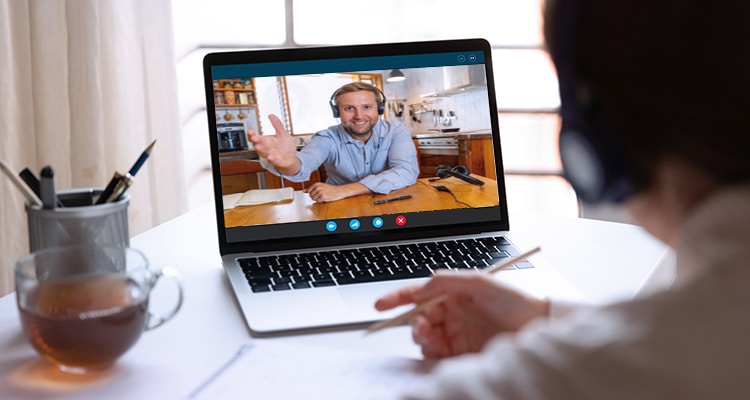
Remote high ticket closing jobs revolve around selling premium products or services, typically priced at $1,000 or more, through virtual communication channels. These roles focus on closing deals rather than generating leads, meaning the closer steps in when a prospect is already interested. Unlike traditional sales roles that may require in-person meetings, remote closers conduct their work via video calls, phone conversations, and online messaging platforms. This shift has made high ticket sales more accessible to professionals around the world. Businesses in industries such as coaching, software, consulting, and real estate rely heavily on skilled closers to convert qualified leads into paying clients. The emphasis is on relationship-building, trust, and understanding the client’s needs before presenting a solution. As more companies embrace digital operations, remote high ticket closing jobs continue to expand in both availability and importance.
Why Remote High Ticket Closing Jobs Are in High Demand
The demand for remote high ticket closing jobs has grown rapidly due to the explosion of online businesses and digital services. Entrepreneurs and companies are scaling faster than ever, creating a need for skilled professionals who can convert interest into revenue. Remote work has become widely accepted, allowing organizations to hire talent from anywhere without geographic limitations. This flexibility benefits both employers and employees, as companies reduce overhead costs while closers gain lifestyle freedom. Additionally, high ticket offers often require personalized communication, making skilled closers essential to the sales process. As competition increases in digital markets, businesses seek experienced closers who can stand out and drive conversions. The result is a thriving job market filled with opportunities for those willing to develop the right skills.
How Remote High Ticket Closing Jobs Work
In remote high ticket closing jobs, the process typically begins with a qualified lead who has already expressed interest in a product or service. Appointment setters or marketing systems handle the initial outreach, allowing closers to focus on converting prospects. The closer conducts a discovery call to understand the client’s goals, challenges, and motivations. This conversation is crucial, as it sets the foundation for presenting a tailored solution. After identifying the prospect’s needs, the closer positions the offer as the best possible solution. Objections are addressed thoughtfully, ensuring the client feels confident in their decision. Once trust is established, the closer guides the prospect toward making a purchase, often during the same call. Compensation structures usually include commissions, making performance a key driver of income.
Essential Skills Needed to Succeed
Success in remote high ticket closing jobs depends on a combination of communication, psychology, and discipline. Strong communication skills allow closers to build rapport quickly and convey value effectively. Emotional intelligence plays a major role, as understanding the client’s perspective helps in addressing concerns and objections. Product knowledge is equally important, enabling the closer to align the offer with the client’s needs. Time management ensures that multiple leads and calls are handled efficiently without sacrificing quality. Technical skills, such as using CRM systems and video conferencing tools, are essential for managing the sales process. Adaptability is another key trait, as every client interaction is unique and requires a personalized approach. Continuous learning helps closers refine their techniques and stay competitive in a dynamic market.
Salary Expectations and Earning Potential
Remote high ticket closing jobs offer significant earning potential, often exceeding traditional sales roles. Income is typically commission-based, with closers earning a percentage of each deal they close. For high ticket offers, even a single sale can result in substantial earnings. Beginners may start with modest commissions as they build experience and confidence. Over time, skilled closers can earn five to six figures annually, depending on their performance and the value of the offers they sell. Factors such as industry, pricing, and lead quality also influence income levels. Consistency in closing deals plays a major role in achieving financial success. With dedication and skill development, many professionals find this career path highly rewarding.
Pros and Challenges of Remote High Ticket Closing Jobs
Remote high ticket closing jobs come with a mix of advantages and challenges that shape the overall experience. The flexibility of working from anywhere allows closers to design their ideal lifestyle. High earning potential attracts individuals seeking financial growth without traditional career limitations. However, the commission-based nature of the role can lead to income fluctuations, especially for beginners. Performance expectations are often high, requiring consistent effort and resilience. Rejection is a natural part of sales, and handling it effectively is crucial for long-term success. Continuous improvement is necessary, as the sales landscape evolves rapidly. Those who embrace both the opportunities and challenges can build a sustainable and fulfilling career.
How to Get Started in Remote High Ticket Closing Jobs
Starting a career in remote high ticket closing jobs begins with learning the fundamentals of sales. Many aspiring closers invest in training programs or mentorship to gain practical knowledge. Practicing mock sales calls helps build confidence and refine communication skills. Building a personal brand, especially on platforms like LinkedIn, can attract potential employers and clients. Networking within sales communities provides access to job opportunities and valuable insights. Applying for roles requires a strong pitch that highlights your ability to connect with prospects and close deals. Preparing for interviews often involves role-playing scenarios to demonstrate your skills. Persistence and dedication are key, as breaking into the field may take time and effort.
Best Platforms to Find Remote High Ticket Closing Jobs
Finding remote high ticket closing jobs requires exploring various platforms and strategies. Job boards specializing in remote work often list opportunities for sales professionals. Social media platforms, particularly LinkedIn, serve as powerful tools for networking and job searching. Online communities and forums dedicated to sales can provide leads and connections. Freelance marketplaces may also offer high ticket closing opportunities for those willing to pitch their services. Direct outreach to companies with high ticket offers can be an effective strategy. Building relationships with industry professionals increases the likelihood of finding quality opportunities. Staying active and engaged in these spaces helps maintain visibility and credibility.
Tools and Software Every Remote High Ticket Closer Should Use
Modern remote high ticket closing jobs rely heavily on technology to streamline processes and improve efficiency. CRM systems help track leads, manage interactions, and monitor sales performance. Video conferencing tools enable face-to-face communication with prospects, even from a distance. Scheduling software simplifies booking calls and managing appointments. Communication tools facilitate collaboration with team members and clients. Analytics platforms provide insights into performance metrics, helping closers identify areas for improvement. Automation tools can handle repetitive tasks, allowing more focus on closing deals. Mastering these tools enhances productivity and contributes to overall success.
Tips to Excel in Remote High Ticket Closing Jobs
Excelling in remote high ticket closing jobs requires a strategic approach and consistent effort. Developing a natural and engaging sales script helps maintain authenticity during calls. Building trust quickly is essential, as clients need to feel confident in both the closer and the offer. Effective follow-ups keep prospects engaged without creating pressure. Tracking performance metrics allows for continuous improvement and better decision-making. Investing in personal development ensures that skills remain sharp and relevant. Maintaining a positive mindset helps navigate challenges and setbacks. Over time, these practices contribute to higher conversion rates and greater success.
Common Mistakes to Avoid
Many individuals entering remote high ticket closing jobs make avoidable mistakes that hinder their progress. Talking too much during calls can prevent a deeper understanding of the client’s needs. Failing to fully understand the product limits the ability to present it effectively. Neglecting follow-ups can result in missed opportunities. Overpromising outcomes may damage trust and credibility. Ignoring feedback prevents growth and improvement. Inconsistent effort can lead to unstable performance and income. Recognizing and addressing these mistakes early helps build a stronger foundation for long-term success.
Future Outlook of Remote High Ticket Closing Jobs
The future of remote high ticket closing jobs appears promising as digital transformation continues to accelerate. More businesses are moving online, increasing the demand for skilled closers. Advances in technology, including AI and automation, are reshaping the sales landscape. While some tasks may become automated, the human element of closing high ticket deals remains essential. Specialized closers with niche expertise are likely to be in high demand. Opportunities for career growth include leadership roles and independent consulting. As the industry evolves, adaptability and continuous learning will remain key factors in staying competitive.
Key Insights for Aspiring Closers
For those considering remote high ticket closing jobs, focusing on core principles can make a significant difference. Building genuine connections with clients enhances trust and increases conversion rates. Consistency in effort and practice leads to gradual improvement and confidence. Staying informed about industry trends helps maintain relevance in a competitive market. Embracing challenges as learning opportunities fosters resilience and growth.
-
Prioritize understanding the client’s needs before pitching any offer
-
Practice active listening to build stronger relationships
-
Invest in training and mentorship for skill development
-
Track performance metrics to identify strengths and weaknesses
-
Maintain discipline and consistency in daily activities
-
Adapt to new tools and technologies as they emerge
-
Focus on long-term growth rather than quick wins
FAQ: Remote High Ticket Closing Jobs
What are remote high ticket closing jobs?
These roles involve closing high-value sales deals through online communication channels such as video calls and phone conversations.
Do I need prior sales experience to start?
While experience is helpful, many beginners enter the field through training and practice.
How much can I earn as a remote high ticket closer?
Earnings vary widely, but skilled closers can achieve substantial income through commissions.
Are these roles fully remote?
Yes, most positions allow you to work from anywhere with a stable internet connection.
What industries hire high ticket closers?
Common industries include coaching, consulting, SaaS, real estate, and digital education.
Is this a stable career path?
With consistent performance and skill development, it can become a reliable and rewarding career.
How long does it take to become successful?
The timeline varies, but dedication and continuous learning significantly accelerate progress.
Takeaway
Remote high ticket closing jobs offer a unique blend of flexibility, earning potential, and personal growth. They reward individuals who are willing to develop strong communication skills, embrace challenges, and remain consistent in their efforts. With the right mindset and tools, this career path can open doors to financial independence and professional fulfillment.