Understanding Remote Closing and Its Role in Modern Sales
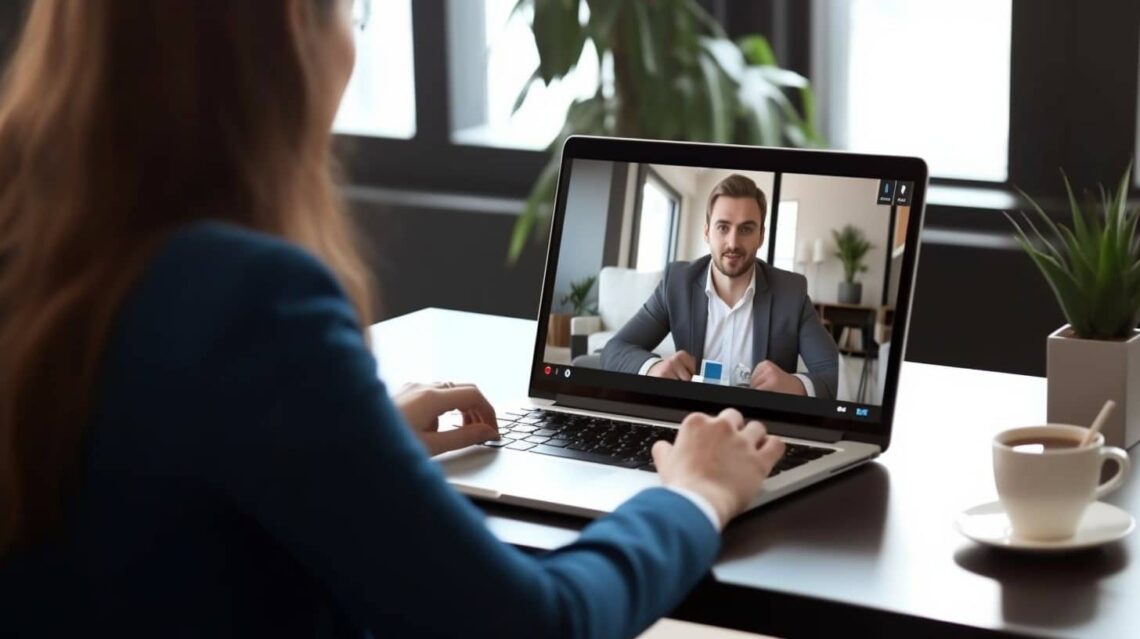
Remote closing has become a major part of today’s digital business ecosystem, especially as companies shift toward online sales systems. When learning how to get into remote closing, it is important to understand that this role focuses on converting warm leads into paying customers through virtual communication channels. Unlike traditional sales that rely on face-to-face interaction, remote closing is conducted over phone calls, Zoom meetings, or other online platforms. Businesses rely heavily on remote closers because they help turn interest into revenue in high-ticket environments. This role is especially common in industries where buyers need guidance before making a significant investment.
Remote closing is not just about selling; it is about guiding a decision-making process in a structured and professional way. Many companies now operate fully online, making remote closers essential for growth and scalability. The job requires strong communication skills and the ability to build trust quickly without physical presence. A remote closer often works within a sales funnel where leads are already pre-qualified, making the conversation more focused and strategic. Understanding this structure is a key step in learning how to get into remote closing effectively.
Here are some core environments where remote closers are commonly used:
-
Online coaching and education programs
-
SaaS companies offering subscription-based tools
-
Real estate investment firms with digital funnels
-
Fitness, mindset, and personal development brands
These industries depend on structured conversations to guide buyers toward decisions. Remote closing plays a critical role in increasing conversion rates and maximizing revenue per lead.
Skills Required to Build a Strong Remote Closing Career
Developing the right skill set is essential when figuring out how to get into remote closing. This role requires more than basic sales knowledge; it demands strong interpersonal abilities and emotional intelligence. Communication is at the core of success, especially when dealing with clients who cannot see you in person. The ability to listen actively and respond appropriately can significantly impact your results. Many beginners underestimate how much psychology and patience are involved in remote closing.
Another important aspect is adaptability, as every prospect is different. A successful remote closer adjusts tone, pace, and approach depending on the conversation. Confidence also plays a major role because hesitation can reduce trust during calls. Technical familiarity is equally important since most sales environments use digital tools to manage leads and appointments. Without these skills, it becomes difficult to compete in a structured sales environment.
Key skills needed include:
-
Clear and confident verbal communication
-
Active listening and emotional awareness
-
Objection handling and problem-solving ability
-
Familiarity with CRM and video conferencing tools
-
Self-discipline and time management
These skills form the foundation for long-term success and are essential for anyone serious about learning how to get into remote closing.
Step-by-Step Path to Getting Into Remote Closing
Starting a career in remote closing requires a structured approach rather than random effort. Those who want to understand how to get into remote closing should begin by learning sales fundamentals and understanding how conversations lead to conversions. Sales is not about pressure but about guiding prospects toward clarity. Studying buyer psychology can help beginners understand why people make purchasing decisions and how trust is built during conversations.
Choosing a niche is also important because specialization increases hiring opportunities. Some closers focus on coaching programs, while others work with software or service-based businesses. Practicing sales conversations is another critical step, especially through role-playing exercises or mock calls. This helps build confidence and reduces hesitation during real interactions. Recording practice sessions also allows self-evaluation and improvement.
A structured learning path may include:
-
Studying basic sales principles and frameworks
-
Choosing a specific industry or niche
-
Practicing mock sales calls regularly
-
Learning structured sales scripts
-
Developing objection-handling techniques
Consistency in these steps builds momentum and increases readiness for real remote closing opportunities.
Psychology Behind High-Ticket Remote Closing
Understanding buyer psychology is a major advantage when learning how to get into remote closing. High-ticket sales rely heavily on emotional decision-making rather than logic alone. People often buy based on trust, urgency, and perceived transformation. A remote closer must learn how to identify emotional triggers during conversations and guide prospects toward clarity.
Instead of pushing a product, the role involves helping the buyer understand their own needs. This requires patience and strong listening skills. Many successful closers focus on asking questions rather than talking too much. The goal is to create a conversation where the prospect feels understood and supported. Ethical persuasion is important, ensuring that the buyer feels confident in their decision without pressure.
Psychological elements often used in remote closing include:
-
Building trust through rapport and transparency
-
Highlighting emotional benefits of a solution
-
Creating clarity around decision-making
-
Reducing perceived risk in purchasing
-
Encouraging self-driven decisions from prospects
Mastering these psychological principles is essential for long-term success in remote sales environments.
Building a Portfolio Without Prior Experience
Many beginners struggle with experience requirements when exploring how to get into remote closing. However, it is possible to build credibility without formal job history. One effective method is practicing simulated sales calls and recording them for review. These recordings can serve as proof of communication ability and structured thinking. Another approach is volunteering to help small businesses with sales practice or offering assistance to startups.
Freelance platforms also provide entry-level opportunities where beginners can gain exposure. Even commission-based roles can help build early experience. The key is to demonstrate ability rather than rely on job titles. Documenting progress through call recordings, notes, and structured breakdowns can strengthen your profile significantly. Employers often value performance evidence more than formal credentials.
Ways to build a strong entry-level portfolio:
-
Record mock sales conversations for demonstration
-
Practice objection handling with peers
-
Volunteer for startup or small business sales support
-
Apply for commission-based beginner roles
-
Document call analysis and improvement notes
This approach helps build credibility while developing real-world skills.
Finding Remote Closing Opportunities in the Market
Once foundational skills are developed, the next step in how to get into remote closing involves finding actual opportunities. Many companies actively hire remote closers through job platforms and professional networks. LinkedIn is one of the most effective tools for connecting with business owners and sales managers. Direct outreach can also be highly effective when done professionally and strategically. Many roles are not publicly advertised, making networking essential.
Sales agencies and coaching businesses often hire remote closers on commission-based structures. These environments provide hands-on experience and consistent lead flow. Applying consistently and tailoring messages to each opportunity increases success rates. Building relationships with appointment setters and marketers can also open hidden opportunities in the industry. Persistence is key when entering this competitive field.
Common places to find opportunities include:
-
Remote job boards specializing in sales roles
-
LinkedIn networking and outreach
-
Sales agencies and appointment-setting companies
-
Direct messaging to founders and entrepreneurs
-
Online business communities and groups
Consistent effort in outreach often leads to long-term opportunities.
Tools Used in Remote Closing Workflows
Technology plays a major role in modern sales environments, especially for those learning how to get into remote closing. Remote closers rely heavily on digital tools to manage communication, track leads, and schedule appointments. Without these tools, it becomes difficult to maintain efficiency and organization. CRM systems are especially important for tracking conversations and monitoring progress through the sales pipeline. Video conferencing tools are also essential for conducting live sales calls.
Automation tools help streamline repetitive tasks such as follow-ups and reminders. Calendar scheduling systems reduce missed appointments and improve efficiency. Performance tracking dashboards allow closers to evaluate their success rates and identify improvement areas. Mastering these tools improves productivity and professionalism.
Common tools used in remote closing include:
-
Customer Relationship Management (CRM) systems
-
Video conferencing platforms like Zoom
-
Automated scheduling tools
-
Sales dialers and communication software
-
Performance tracking dashboards
Understanding and using these tools effectively improves overall performance.
Navigating Remote Closing Interviews and Evaluations
Interviews for remote closing roles often involve practical assessments rather than traditional question-and-answer formats. Employers want to see how candidates handle real-time objections and sales scenarios. This makes preparation extremely important when learning how to get into remote closing. Many interviews include role-play simulations where candidates must demonstrate communication and persuasion skills. Confidence and structure are key during these evaluations.
Employers also assess adaptability and coachability. They want individuals who can take feedback and improve quickly. Behavioral questions may focus on handling rejection or working independently. Strong candidates demonstrate clarity, composure, and structured thinking during interviews. Preparation through practice calls significantly improves performance.
Common evaluation elements include:
-
Live role-play sales scenarios
-
Objection handling demonstrations
-
Behavioral and situational questions
-
Communication clarity assessments
-
Confidence under pressure evaluation
Strong preparation increases the likelihood of securing a remote closing position.
Common Mistakes When Starting Remote Closing
Many beginners face challenges when learning how to get into remote closing due to avoidable mistakes. One of the most common issues is over-relying on scripts without understanding the conversation flow. This can make interactions feel unnatural and robotic. Another mistake is failing to follow up consistently with leads, which results in lost opportunities. Lack of consistency is one of the biggest barriers to success in this field.
Some beginners also struggle with understanding product value, focusing too much on features instead of outcomes. Without proper understanding, it becomes difficult to communicate value effectively. Inconsistent practice also slows down progress and reduces confidence. Tracking performance metrics is often ignored, making it harder to identify improvement areas.
Common mistakes include:
-
Relying too heavily on memorized scripts
-
Poor follow-up habits with leads
-
Weak understanding of product value
-
Inconsistent practice routines
-
Ignoring performance tracking
Avoiding these mistakes significantly improves performance and growth.
Salary Growth and Career Progression in Remote Closing
Remote closing offers scalable income potential depending on performance and experience. Many roles are commission-based, meaning income is directly tied to results. Beginners may start with modest earnings, but growth can happen quickly with improved skills. As closers gain experience, they often move into higher-ticket offers, increasing earning potential significantly. This makes the career attractive for individuals seeking performance-based income opportunities.
Experienced remote closers may also transition into leadership roles, training new team members or managing sales teams. Some move into consulting or start their own sales agencies. Career growth depends heavily on consistency, skill development, and industry specialization. Those who master communication and persuasion often see faster income growth.
Income factors include:
-
Commission structure of the company
-
Average deal size of products sold
-
Personal conversion rates
-
Number of calls handled weekly
-
Industry specialization
This career path rewards performance and continuous improvement.
Building Long-Term Consistency in Remote Closing
Success in remote closing depends heavily on consistency and discipline. Daily routines help maintain productivity and ensure steady improvement. Many professionals structure their day around call blocks, follow-ups, and performance reviews. Without consistency, even skilled individuals struggle to maintain results. This makes discipline a core requirement when learning how to get into remote closing.
Tracking performance metrics helps identify strengths and weaknesses. Reviewing recorded calls also provides valuable insights into communication style and objection handling. Continuous learning ensures that skills remain sharp and adaptable. Mental resilience is equally important, as rejection is a natural part of sales environments. Staying motivated through challenges is essential for long-term success.
Key consistency habits include:
-
Daily structured call schedules
-
Regular follow-up routines
-
Performance tracking and analysis
-
Continuous learning and practice
-
Emotional resilience building
These habits help maintain steady career growth.
Ethics and Professional Standards in Remote Closing
Ethics play an important role in building a sustainable remote closing career. Professionals must prioritize transparency and honesty in all interactions. Misleading prospects or applying pressure can damage long-term reputation. When learning how to get into remote closing, understanding ethical responsibility is just as important as mastering sales techniques. Trust is the foundation of all successful sales relationships.
A customer-first mindset ensures that recommendations align with real needs. Ethical closers focus on helping prospects make informed decisions rather than forcing outcomes. Compliance with legal and industry standards is also essential in professional environments. Maintaining integrity builds long-term trust with employers and clients.
Core ethical principles include:
-
Honest and transparent communication
-
Prioritizing customer needs
-
Avoiding manipulative sales tactics
-
Following industry regulations
-
Building long-term trust relationships
Ethical behavior strengthens career sustainability.
Frequently Asked Questions
What is remote closing and how does it work?
Remote closing is a sales role focused on converting leads into paying customers through virtual communication channels such as video calls or phone calls.
Do you need experience to start remote closing?
Experience is helpful but not required. Many beginners start through training programs, practice calls, and entry-level commission roles.
How long does it take to learn remote closing skills?
The learning timeline varies, but consistent practice over a few months can significantly improve performance and confidence.
Is remote closing a stable career path?
It can be stable for high performers, especially in industries like coaching, SaaS, and online education.
What skills are most important for beginners?
Communication, active listening, objection handling, and discipline are the most important skills.
How do remote closers get paid?
Most remote closers earn commissions based on successful sales rather than fixed salaries.
Takeaway
Learning how to get into remote closing requires a combination of skill development, consistent practice, and strategic positioning in the job market. The career rewards individuals who are disciplined, adaptable, and committed to improving communication abilities. Success in this field is built through repetition, real conversation experience, and understanding buyer psychology. With the right approach, remote closing can become a high-income skill that offers flexibility and long-term growth opportunities.